 The Bedford Estates, London
Do Bears Really Hibernate?
When winter rolls around, it’s a well-known fact that bears disappear into their dens to “hibernate.” They sleep, eat plenty beforehand, and wait out the cold. But did you know that North American black bears don’t fully hibernate, at least, not in the true sense of the word? What they experience is called torpor.
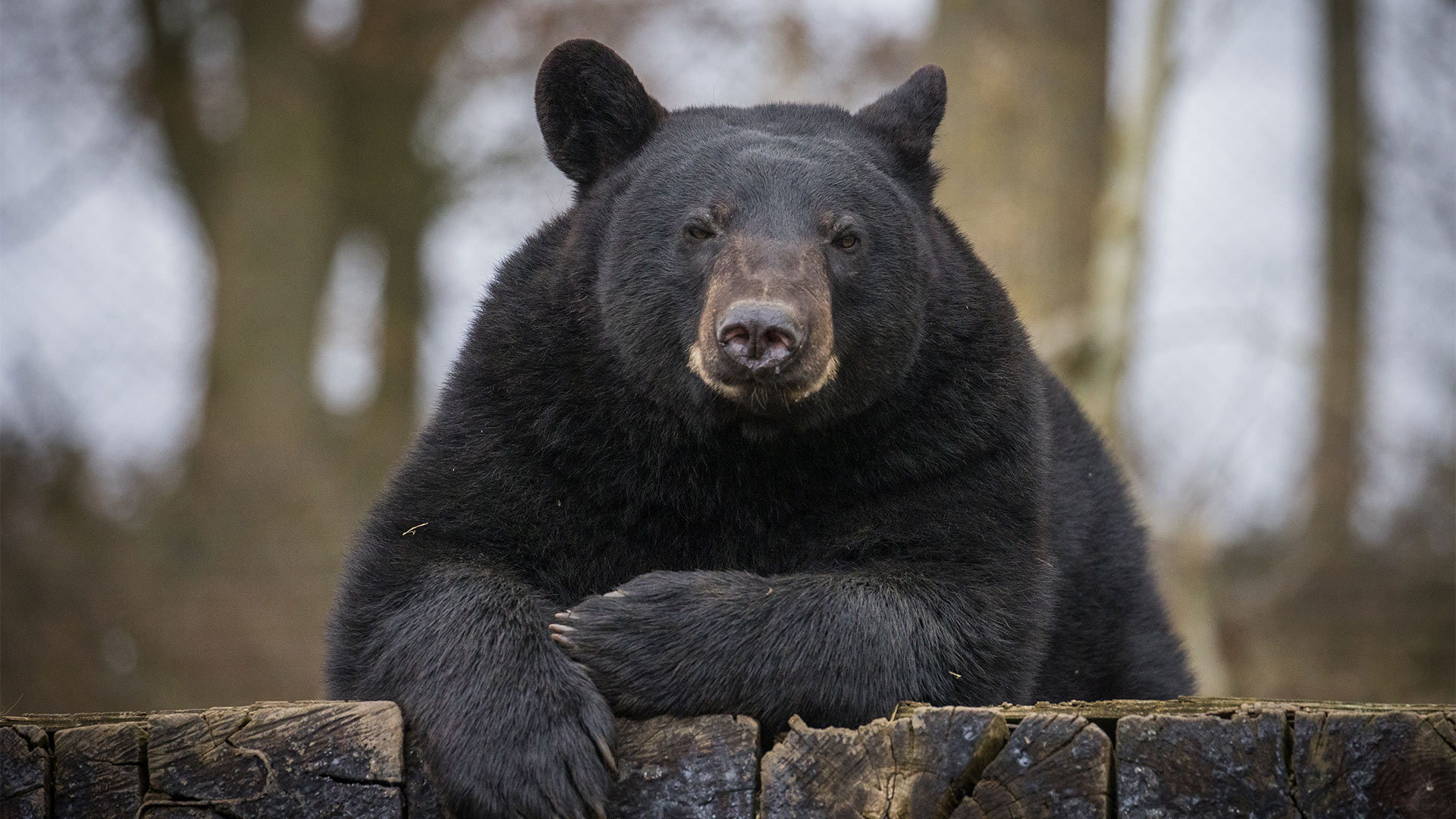
What is Torpor?
Torpor is similar to hibernation, but there’s a key difference, it’s short-term. While true hibernation can last for months, torpor usually lasts for just a few days or weeks at a time. During this period, animals conserve energy by slowing their metabolism and lowering their body temperature, but they can still wake up easily if needed.
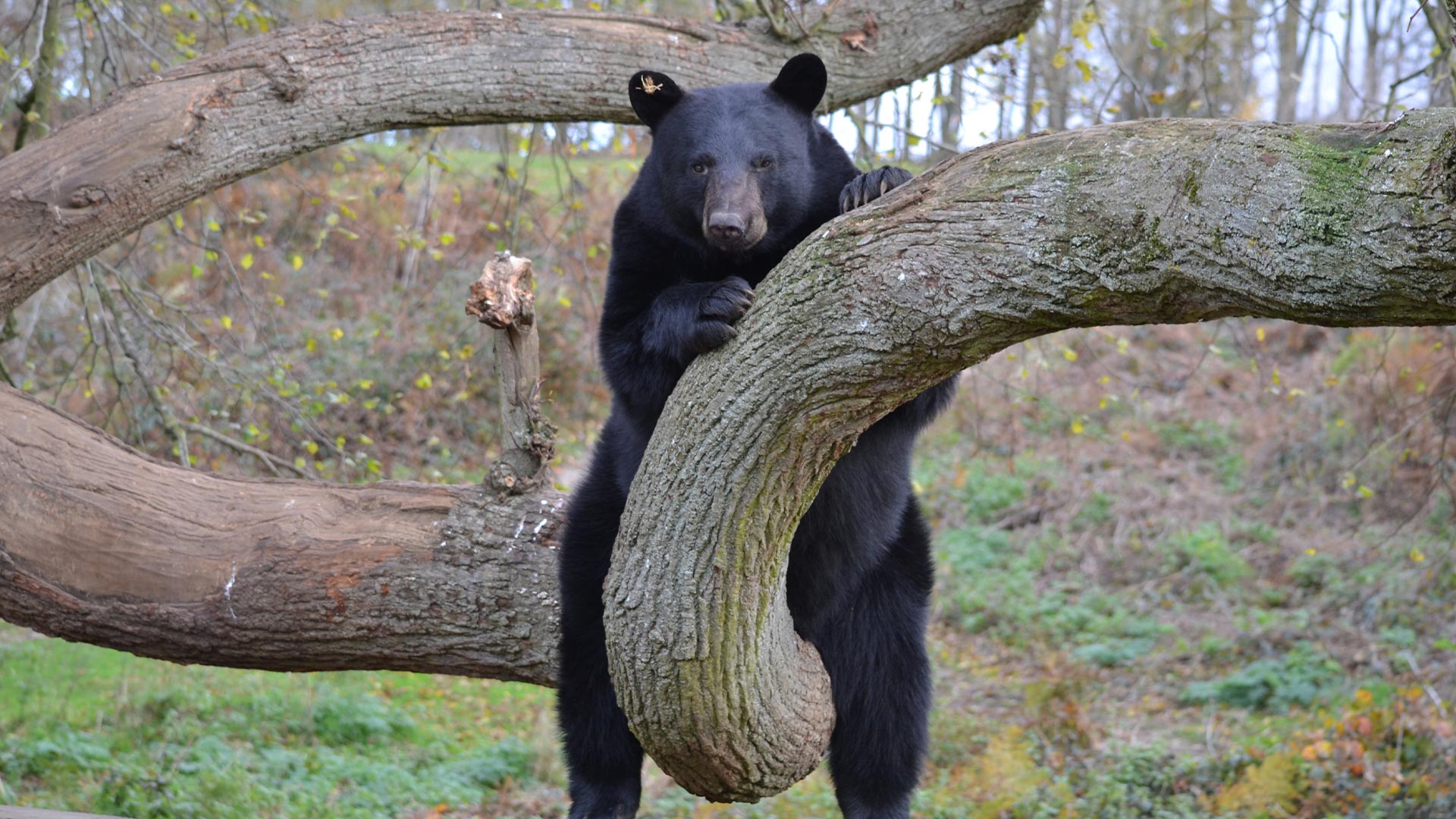
That’s why visitors may occasionally spot black bears moving about, even in the depths of winter. Their sleep is much lighter than that of true hibernators, allowing them to wake up quickly, something most hibernating animals can’t do.
What happens during Torpor?
Before entering torpor, black bears go through a phase called hyperphagia, a fancy word for eating a lot! During this time, they consume vast amounts of food to build up fat reserves, which serve as their energy source while they rest. If you notice the bears looking a little rounder in winter, that’s exactly why.
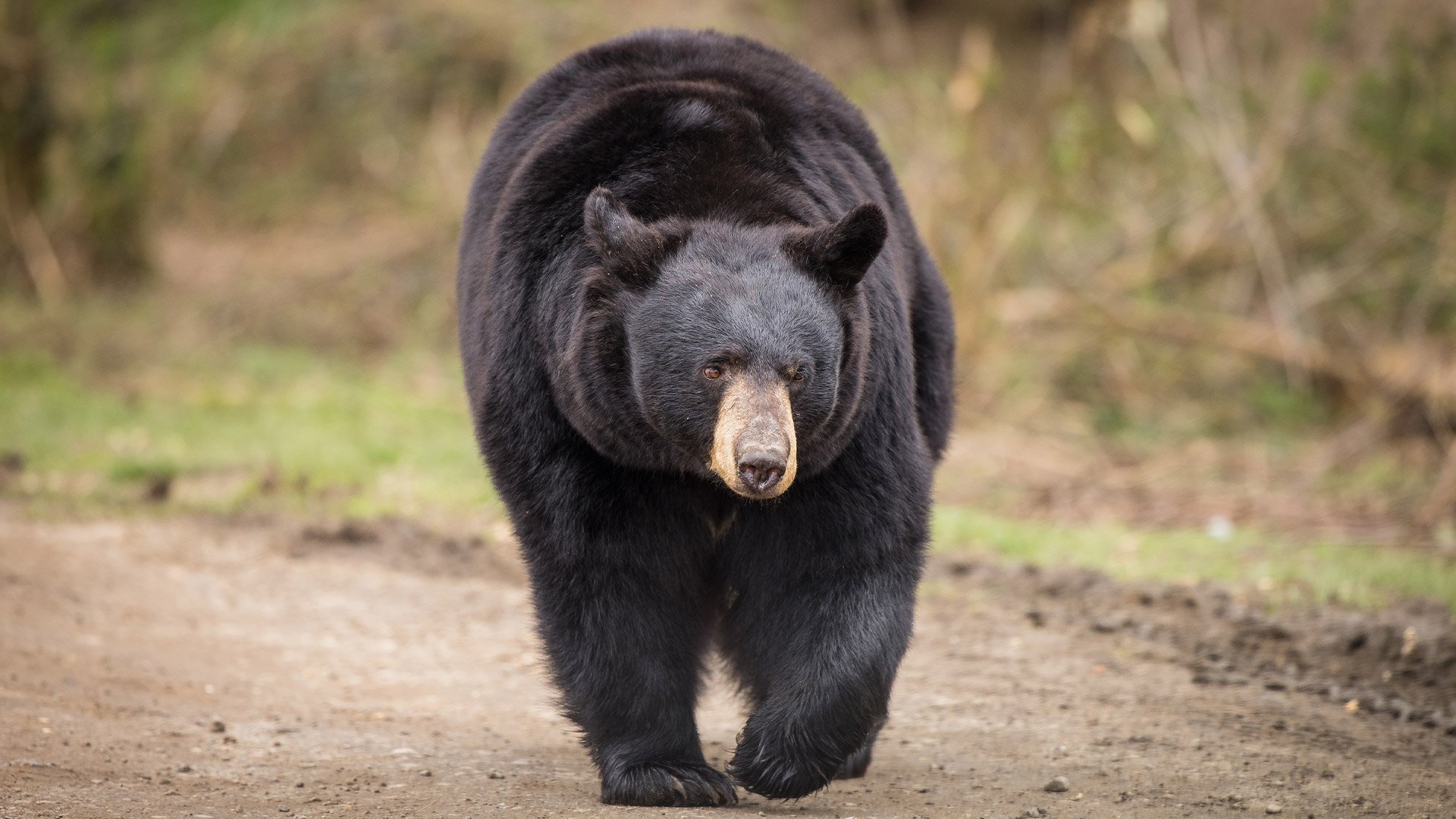
Once in torpor, bears enter a decreased metabolic activity rate, this includes slower breathing and heart rates to help conserve energy during the winter.
Because black bears can still wake during torpor, they sometimes shift positions, stretch, or even leave their dens briefly before settling back down again, a fascinating reminder that even in their “sleep,” these remarkable animals are still very much aware of their surroundings.
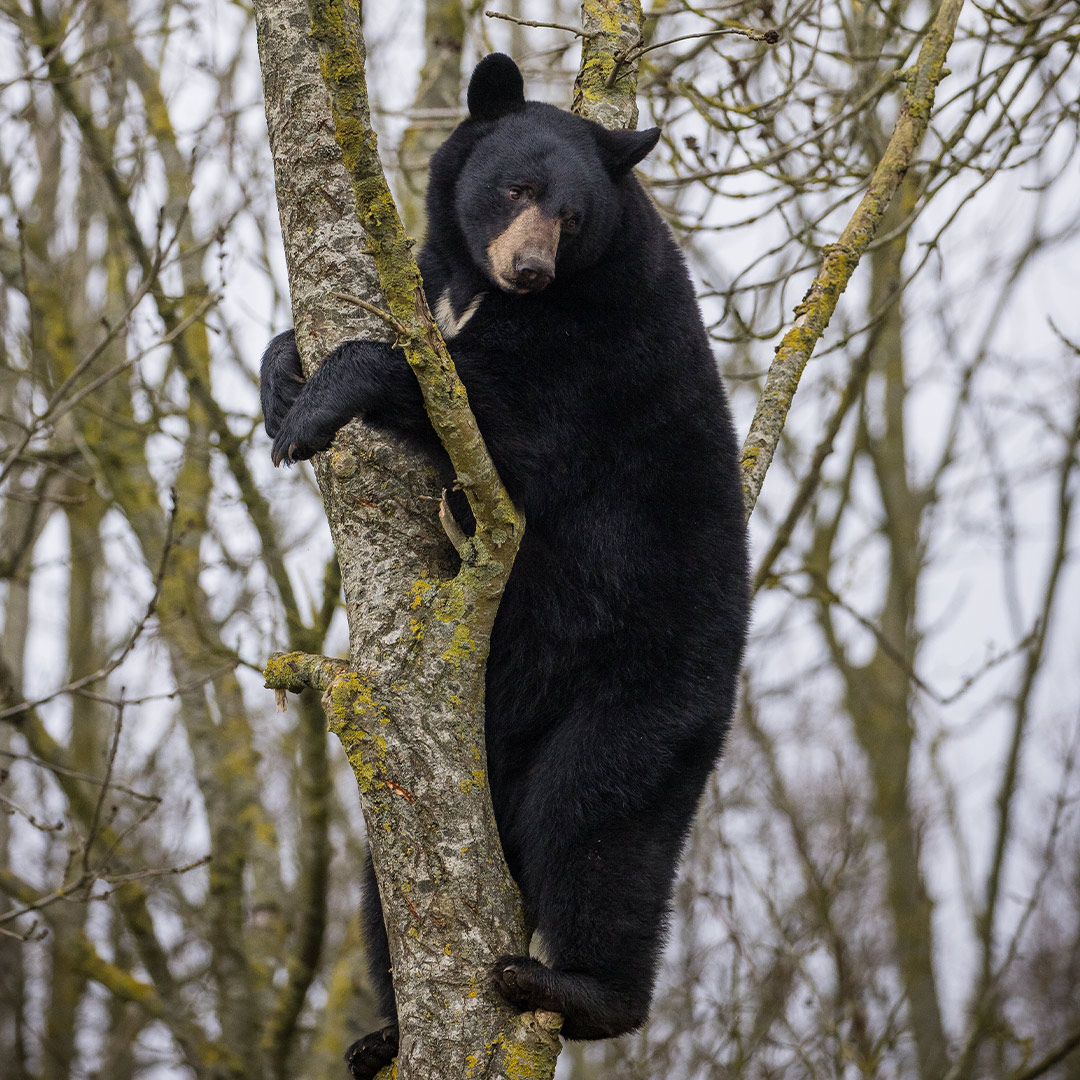
On your next trip to Woburn Safari Park, don’t forget to stop by the Kingdom of the Carnivores to see if you can spot the North American black bears showing off their cosy winter style.